Cleanliness
Keeping Shared Spaces Clean
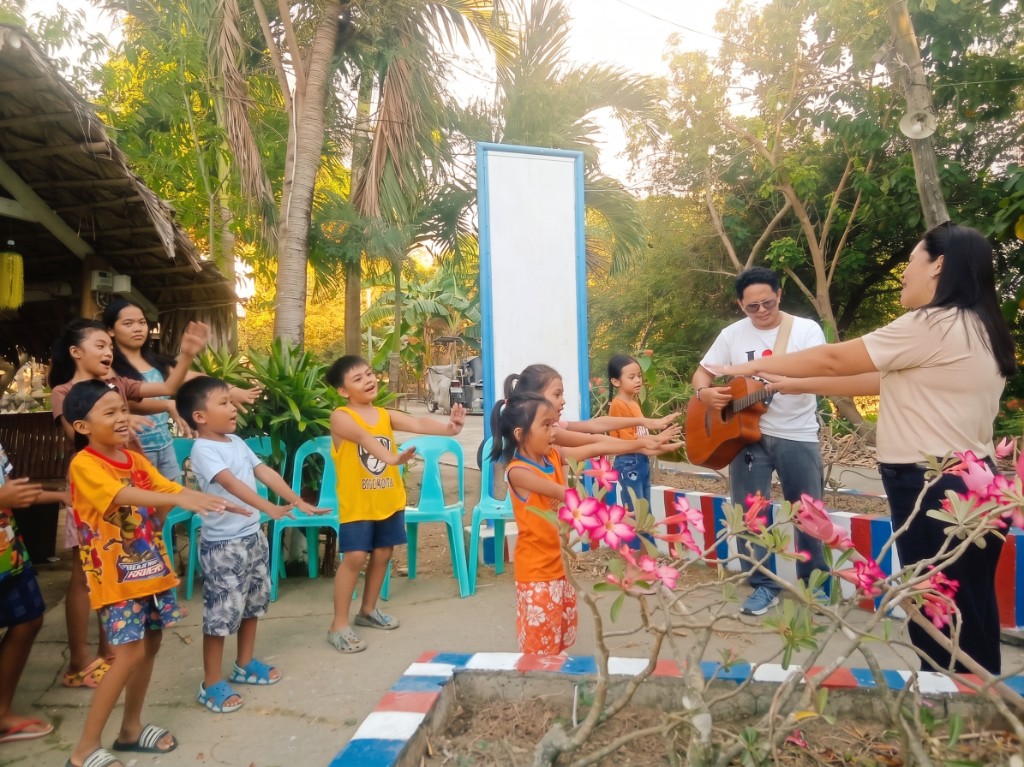
Shared spaces belong to everyone.
The roads we walk on, the spaces where children play, the areas around the MRF, drainage paths, waiting areas, and other common places are part of everyday community life.
Keeping them clean is not only the responsibility of the barangay or a few volunteers. Everyone who uses a shared space has a part in keeping it clean.
1. Take Your Waste With You
The simplest rule is:
If you bring it, take responsibility for it.
Do not leave food wrappers, bottles, cups, cigarette butts, plastic bags, or other waste in public areas.
If there is no appropriate bin nearby, keep the waste with you until you reach a proper disposal point.
2. Keep Roads and Pathways Clear
Roads and pathways are for people, vehicles, and access—not for storing garbage or unwanted materials.
Avoid leaving:
Garbage bags Construction debris Old appliances Broken furniture Other unwanted materials
along roads, pathways, or drainage areas.
Keeping these spaces clear makes it easier and safer for children, pedestrians, motorcycles, vehicles, and emergency responders to move through the community.
3. Keep Drainage and Waterways Free of Waste
Trash thrown into canals and drainage channels can block the flow of water and contribute to flooding.
Never use drainage areas, creeks, or waterways as dumping places.
During community cleanups, pay particular attention to areas where leaves, plastic, and other waste tend to accumulate.
4. Clean Up After Children and Activities
Children need places where they can walk, play, and spend time safely.
After a gathering, game, community activity, or family event, check the area before leaving.
Leave the space ready for the next person.
This simple habit teaches children that shared spaces are something we care for—not something someone else will clean up.
5. Take Care of Community Plants and Gardens
Shared greenery makes a community cooler, healthier, and more pleasant.
Help protect:
Community gardens Trees Flowering plants Roadside vegetation Other planted areas
Do not damage plants, throw waste into gardens, or use planted areas as dumping grounds.
Where appropriate, residents can also help water, weed, and maintain community plants.
6. Join Community Cleanups
Regular cleanup activities are an opportunity for neighbors to work together.
When joining a cleanup:
Bring appropriate tools when requested. Separate collected waste. Place waste in the designated collection area. Follow instructions from community leaders. Take extra care around sharp or hazardous materials.
A cleanup becomes more effective when the waste collected is also properly segregated and handled afterward.
7. Report Problems Instead of Ignoring Them
If you notice an overflowing waste area, blocked drainage, illegal dumping, damaged public facilities, or another cleanliness concern, report it to the appropriate community official.
A small problem reported early can be easier to solve than a larger problem left unattended.
8. Be Considerate of Your Neighbors
Cleanliness is also about how our actions affect the people around us.
Avoid practices that unnecessarily create mess, unpleasant odors, or obstructions in shared areas.
Before using a common space, ask:
Will this make the space better or harder for the next person to use?
Everyone Has a Role
A clean community is not created by one cleanup activity.
It is created through small acts repeated every day:
Don't litter. Segregate waste. Keep pathways clear. Protect drainage and waterways. Care for shared greenery. Clean up after activities. Help your neighbors.
Leave It Better Than You Found It
Shared spaces are part of our common home.
When each household takes responsibility for the spaces it uses, the work of keeping the community clean becomes lighter for everyone.
A clean street, a clear pathway, a cared-for garden, and a safe place to play all begin with neighbors looking after what they share.