Community
Talking with Neighbors about Care
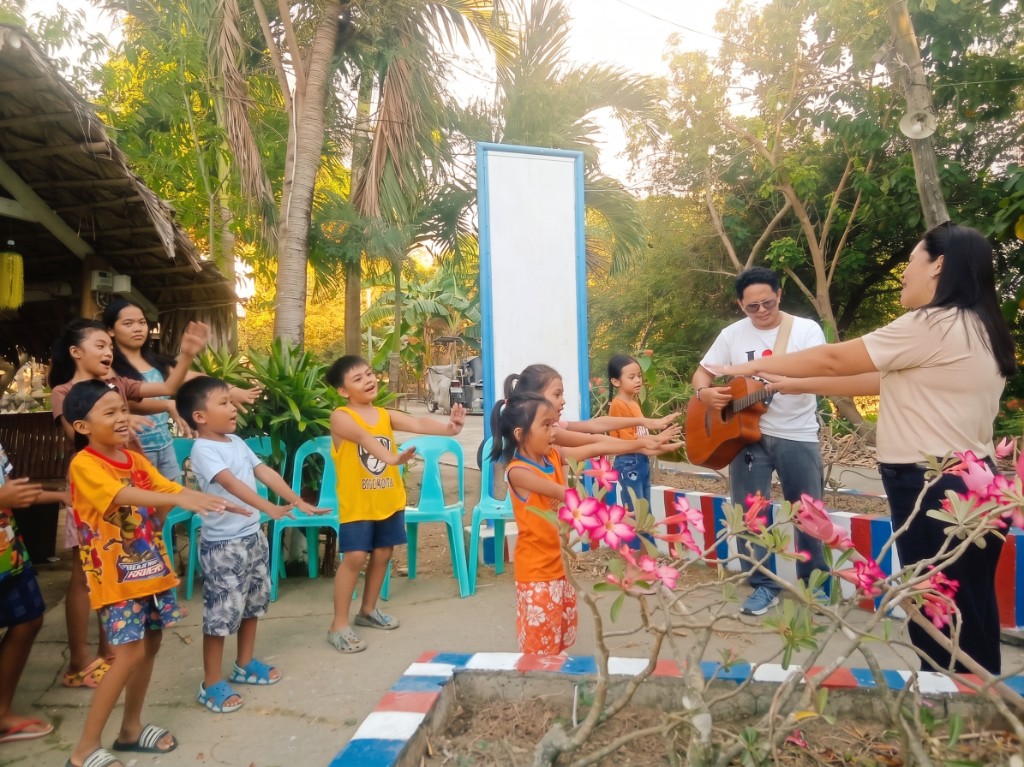
A caring community begins with conversations.
Keeping a community clean, green, and healthy is easier when neighbors can talk openly with one another.
Sometimes, a neighbor may not know that a certain practice causes a problem. Sometimes, people have different routines, needs, or ideas about how a shared space should be cared for.
A respectful conversation can be the first step toward solving the problem together.
1. Start With Respect
Talk to your neighbor the way you would want to be approached.
Instead of starting with blame:
“You're always leaving your garbage here.”
Try starting with concern:
“Could we find a better place for the garbage so the area stays clear?”
The goal is not to win an argument. The goal is to improve the place you share.
2. Talk About the Problem, Not the Person
Focus on what is happening and how it affects the community.
For example:
“The drainage gets blocked when waste is left here.” “The children need this pathway to stay clear.” “The food waste is attracting insects.” “Maybe we can separate these materials before collection.”
This keeps the conversation practical instead of personal.
3. Listen Before Offering a Solution
There may be a reason behind a neighbor's actions that you don't know about.
Ask:
“What makes this difficult?”
Listen to their answer.
Perhaps they do not know the collection schedule, do not have enough containers, or are unsure where a particular type of waste should go.
Understanding the problem can help neighbors find a solution that actually works.
4. Offer Help When You Can
Care is not only about telling people what they should do.
Sometimes the most useful response is to help.
You might:
Show a neighbor how to segregate waste. Share composting tips. Help clean a shared area. Tell them about the MRF schedule. Share extra seedlings or gardening materials. Invite them to a community cleanup.
A little help can make a good practice easier to maintain.
5. Encourage, Don't Embarrass
Publicly shaming someone rarely creates lasting cooperation.
When a household makes an effort, recognize it.
A simple:
“Thank you for keeping this area clean.”
can encourage people to continue doing the right thing.
Celebrate progress, even when it is small.
6. Talk About Shared Benefits
Community care becomes easier when people can see how it benefits their own families.
A clean community means:
Safer places for children to walk and play Cleaner surroundings Less scattered waste Better drainage More pleasant shared spaces More opportunities to grow food Stronger relationships among neighbors
When we care for the community, we are also caring for our own homes and families.
7. Work Through Problems Together
Not every concern can be solved by one household.
If a problem affects several homes—such as recurring dumping, blocked drainage, or a neglected shared area—bring it up with the neighbors and appropriate community leaders.
Discuss:
What is happening? Why is it happening? What can we do ourselves? What help do we need? Who will take the next step?
A shared problem is easier to solve when responsibility is shared too.
8. Know When to Ask for Help
Some situations may require the involvement of barangay officials or other appropriate authorities.
If repeated, respectful conversations do not resolve a serious problem, do not escalate the situation through anger or personal confrontation.
Document the concern when appropriate and bring it to the proper community channel.
Care includes knowing how to resolve problems peacefully and fairly.
Care Is a Conversation
A healthy community is built not only through clean streets and proper waste segregation, but also through relationships.
Talk to your neighbors.
Listen to them.
Offer help.
Appreciate their efforts.
And when something needs to change, invite them to be part of the solution.
We Look After What We Share
A community becomes stronger when neighbors can say:
“This is our place. Let's take care of it together.”
Cleanliness may begin with a broom or a properly sorted waste bin, but lasting community care begins with people talking, listening, and helping one another.